


.svg)
Porcelain and natural stone are the two premium tile choices most Bothell homeowners land on once they move past basic ceramic. Both look fantastic in photos. Once you factor in Bothell's damp climate, daily upkeep, and long-term cost, natural stone vs porcelain tile stops being a style question and becomes a practical one. Here is the honest, category by category breakdown.
Which Tile Is Better for a Bathroom: Natural Stone or Porcelain?
There is no single winner. Porcelain tile is the more practical, lower maintenance choice for most bathrooms, especially inside a shower. Natural stone wins on pure aesthetics, offering a depth and texture that manufactured materials still cannot fully replicate.
So which tile is better for your bathroom specifically? That depends on how much time you want to spend on maintenance, how much you are willing to spend upfront, and how much you value one-of-a-kind veining over predictable, consistent results.
💡 Pro Tip: If you love the look of stone but not the upkeep, ask about porcelain tile that looks like stone. High quality versions replicate marble, travertine, and slate with impressive accuracy.
Porcelain vs Natural Stone Bathroom Tile at a Glance
Here is a quick side by side view across the six categories that matter most for a Bothell bathroom.
Performance in Wet Bathroom Environments: Where Porcelain Pulls Ahead
Porcelain tile is a man-made, non-porous material, which means it barely absorbs water at all. Natural stone tiles, including marble, travertine, and slate, are naturally porous and will absorb moisture unless properly sealed. In Bothell's humid climate, that difference matters more than it might in a drier region.
Unsealed natural stone in a shower or around a tub can develop mold in the grout lines and even in the stone itself over time. Porcelain tile is ideal for high-traffic, wet areas such as bathrooms precisely because it does not carry that risk. If you are tiling shower walls specifically, this is usually the deciding factor.
This is also why most professional contractors default to porcelain for shower floors and walls in our region. Bothell's year-round humidity means a bathroom rarely gets a long stretch to fully dry out between uses, which is exactly the condition that natural stone struggles with most.
Bathroom Tile Maintenance in the Pacific Northwest: Sealing, Cleaning, and Long Term Care
Porcelain tiles need very little maintenance compared to natural stone. A simple wipe down handles most cleaning, and porcelain tiles do not require sealing at all, which simplifies both installation and upkeep. Natural stone requires sealing to prevent water damage and staining, generally every 12 to 24 months.
Cleaning products matter too. Softer natural stones like marble and limestone can easily be damaged by acidic substances, including common bathroom cleaners, vinegar, and even citrus-based products. Porcelain shrugs off most spills and other liquids without any special care.
- Porcelain: wipe clean, no sealing, resistant to most household cleaners
- Natural stone: needs regular sealing, avoid acidic cleaners, occasional professional polishing
How Much Does Natural Stone vs Porcelain Tile Cost to Install?
Porcelain tile generally has lower installation costs than natural stone. Installed pricing typically runs $10 to $20 per square foot for porcelain tile, natural stone typically runs $15 to $30 per square foot installed, depending on the specific stone and finish. That gap holds up whether you are comparing genuine marble, travertine stone, or slate against a standard porcelain line.
So why the gap? Natural stone's quarrying and transport add to its overall cost before it even reaches your home. Density and durability of natural stone vary by type too, with granite being one of the hardest and often priced accordingly. Natural stone also requires more careful cutting and skilled installation due to its weight, which adds labor time.
Natural stone requires regular maintenance, increasing long term costs beyond the initial installation. Porcelain's upfront cost may be similar to stone in some cases, but its near zero maintenance requirement usually makes it the more budget friendly option over time. If tile choice is one of several line items in your renovation, our post on tile choices that affect your remodel budget breaks down how these decisions fit into a full bathroom project.
Longevity and Resale Value in Bothell's Housing Market
Both porcelain tile and natural stone can last for decades with proper installation and reasonable care. Porcelain tile is highly resistant to scratches, chips, and everyday impacts and it maintains its appearance longer without any ongoing maintenance. Natural stone can also last decades, but it etches and stains if not sealed and cleaned properly.
Resale value tells an interesting story. Both materials read as premium finishes in Bothell's current home market. The real difference comes down to buyer type.
Design-forward buyers tend to appreciate the timeless appeal and unique aesthetic of natural stone, while practical buyers often respond better to the low-maintenance story that comes with porcelain.

Porcelain Tile vs Marble in the Shower: Is One Actually Safer?
Porcelain tile vs marble in the shower usually comes down to slip resistance and moisture control rather than looks alone. Porcelain can be manufactured with texture for better grip, while natural marble finishes are sometimes more slippery when wet unless a honed or textured finish is chosen.
Genuine marble in a shower also needs a strict sealing schedule to stay safe from water damage. Miss a resealing cycle, and moisture can work into the stone and grout over time. Porcelain simply does not carry that risk, which is one reason most professional contractors recommend it as the default for shower walls in wet climates like ours.
Aesthetics: Why Natural Stone Still Wins on Looks
Natural stone and porcelain tile each offer distinct advantages for bathroom design, especially in Bothell's humid climate. Consider the following key points when making your choice:
- Timeless Beauty of Natural Stone: Natural stone provides unique geological variation, with no two slabs exactly alike, adding authentic character to your bathroom.
- Patina Development: Over time, natural stone tiles may develop a patina, which many homeowners appreciate as part of the material’s charm.
- Consistent Design with Porcelain: Porcelain tiles deliver predictable and uniform design results across large areas, ideal for a clean, modern aesthetic.
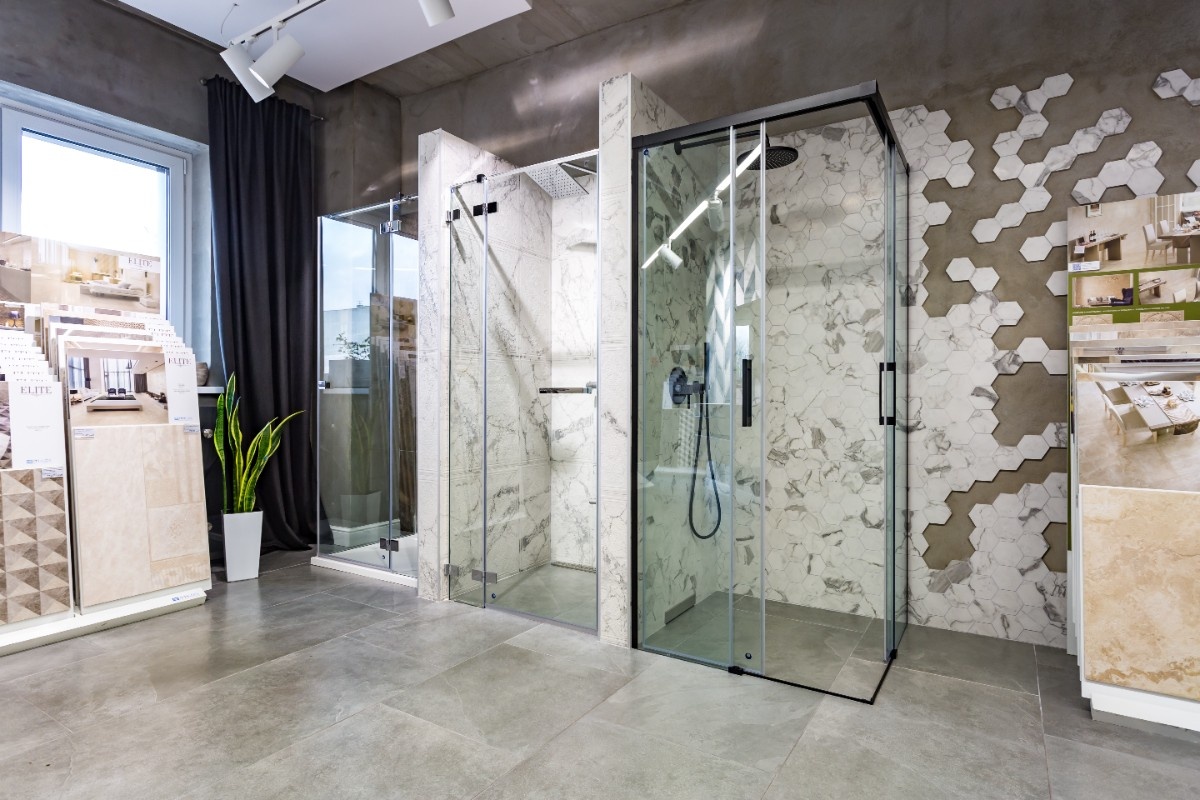
- Stone-Look Porcelain: High-quality porcelain can replicate exotic marbles and other natural stones, offering a practical alternative with less maintenance.
- Large Format Options: Both materials are available in large formats, enhancing elegance by reducing grout lines and creating a seamless appearance.
Ultimately, the right choice depends on whether you prioritize the unique, natural variation of stone or the clean, consistent look and ease of maintenance that porcelain tile provides.
Deciding Between Natural Stone and Porcelain Tile for Your Bathroom
If you are still weighing natural stone vs porcelain tiles for your own project, walking through these questions in order tends to make the decision clearer.
- Identify the zone. Shower walls and wet areas favor porcelain. Dry accent walls have more flexibility for stone.
- Be honest about maintenance. If regular sealing is not something you want to keep up with, lean toward porcelain.
- Set your budget range. Confirm whether your budget comfortably covers natural stone's higher installed cost and ongoing sealing.
- Decide how important uniqueness is. If you want a stone-look without the upkeep, ask about porcelain tile that replicates marble or travertine.
- Get expert guidance on installation. A professional can confirm whether your chosen material suits your specific layout and moisture exposure.
For hands on help working through this decision, our team offers professional bathroom tile installation in Bothell and can walk you through samples of both porcelain and natural stone in person.
Common Mistakes When Choosing Between These Two Materials
Whichever material you lean toward, a few avoidable mistakes tend to show up again and again in real bathroom projects. Watching for these ahead of time can save you both money and frustration down the road.
- Skipping the sealing schedule. Natural stone tiles need sealing to prevent moisture damage, and skipping it shortens the material's life.
- Using acidic cleaners on stone. Everyday products can etch softer natural stones like marble and limestone.
- Assuming porcelain always looks fake. Modern manufacturing has closed that gap significantly for many stone-look designs.
- Ignoring installation weight. Natural stone requires skilled installation due to its weight, so not every contractor is equally experienced with it.
- Choosing stone in a high-traffic bathroom without a maintenance plan. Natural stone installation mistakes and neglect afterward can both be costly.
- Forgetting about grout. Whichever material you choose, poor grout selection or installation can undercut even the best tile choice.
Making the Call Between Stone and Porcelain
Natural stone vs porcelain tile is not really a question of which material is better. It is a question of which tradeoffs fit your bathroom and your lifestyle. Porcelain offers easy maintenance and strong performance in wet areas, while natural stone offers a beauty that is hard to manufacture.
If you want help comparing samples side by side, request your estimate and our team at Solid Kitchen and Bath will bring options for both materials to your Bothell home.
FAQs
Is porcelain tile better than natural stone for a bathroom?
Porcelain tile is generally the more practical choice for wet areas like showers, since it resists moisture without any sealing. Natural stone can still work well in bathrooms, especially on dry walls, but it requires more ongoing maintenance.
How much more expensive is natural stone than porcelain tile?
Natural stone typically costs more than porcelain when installed, largely due to quarrying, transport, and more careful installation. Porcelain tile vs natural stone cost differences usually widen further over time once sealing and upkeep are factored in.
Does natural stone need to be sealed in a bathroom?
Yes, natural stone requires sealing to prevent water damage and staining, generally every 12 to 24 months. Skipping this step in a humid climate increases the risk of moisture damage and mold in the grout.
Can porcelain tile look like real marble or travertine?
High quality porcelain tile can replicate the appearance of marble, travertine, and slate with impressive accuracy at the manufacturing level. It gives homeowners a practical middle ground between the look of natural stone and the low maintenance of porcelain.
Which material lasts longer in a bathroom, porcelain or natural stone?
Both porcelain tile and natural stone can last for decades with proper installation and care. Porcelain tends to hold its appearance with less effort, while natural stone needs consistent sealing and careful cleaning to reach the same lifespan.

.svg%20fill.svg)




.svg)