


.svg)
How Long Does It Take to Replace Kitchen Cabinets Overall?
So, how long does it take to replace kitchen cabinets from start to finish? For a typical 10x10 or 12x15 kitchen using stock or semi-custom cabinets, you can expect the entire project to take about a week or 2–4 weeks.That includes everything from your first design meeting to the last hinge adjustment on your new cabinet doors.
Here is a quick breakdown of a typical kitchen cabinet replacement timeline:
- Planning and design: 2–3 days
- Ordering and delivery: 5–14 days (stock or semi-custom)
- Removing old cabinets: 1 day
- Wall, floor, and utility prep: 1–3 days
- Cabinet installation: 2–3 days
- Final touch-ups and adjustments: 1 day
If you hire professionals, expect faster and more predictable results. A professional kitchen remodeling contractor typically completes most on-site work in about 3–5 days. DIY projects are cheaper but typically take longer since most homeowners work evenings and weekends. Either way, understanding how long does it take to replace kitchen cabinets helps you plan meals, schedules, and expectations.
Planning and Design: 2–3 Days
Good planning can save you days during the actual kitchen cabinet replacement. Rushing this stage often leads to measurement mistakes that force reorders and add weeks to your project.
For a straightforward layout where you keep cabinets in roughly the same positions, basic planning usually takes 2–3 days. Highly customized designs with new layouts, islands, or specialty features can take a week or more.
Key tasks during this phase include:
- Measuring your kitchen space carefully (wall lengths, ceiling height, window and door openings)
- Sketching a layout or working with a designer
- Choosing cabinet door style, color, and hardware like knobs and pulls
- Confirming appliance locations and sizes
- Deciding on features like corner cabinets, pull-out drawers, and crown moulding
Double-check all measurements before ordering. Mistakes here can add weeks to your project. If cabinets don’t fit, reorders may take as long as the original lead time.
Ordering and Delivery: 3 Days to 8 Weeks
Cabinet lead time is often the longest part of the kitchen cabinet replacement timeline. This is the waiting period between placing your order and having cabinets delivered to your home.
Here are typical lead times by cabinet type:
This waiting period usually does not affect how long it takes to install new kitchen cabinets once they arrive but significantly impacts your project start date. Many homeowners underestimate this phase. After delivery, store cabinets indoors for 24–48 hours to let the wood adjust to your home’s temperature and humidity, preventing alignment issues and ensuring a smoother installation.
Removing Old Cabinets: 4–10 Hours
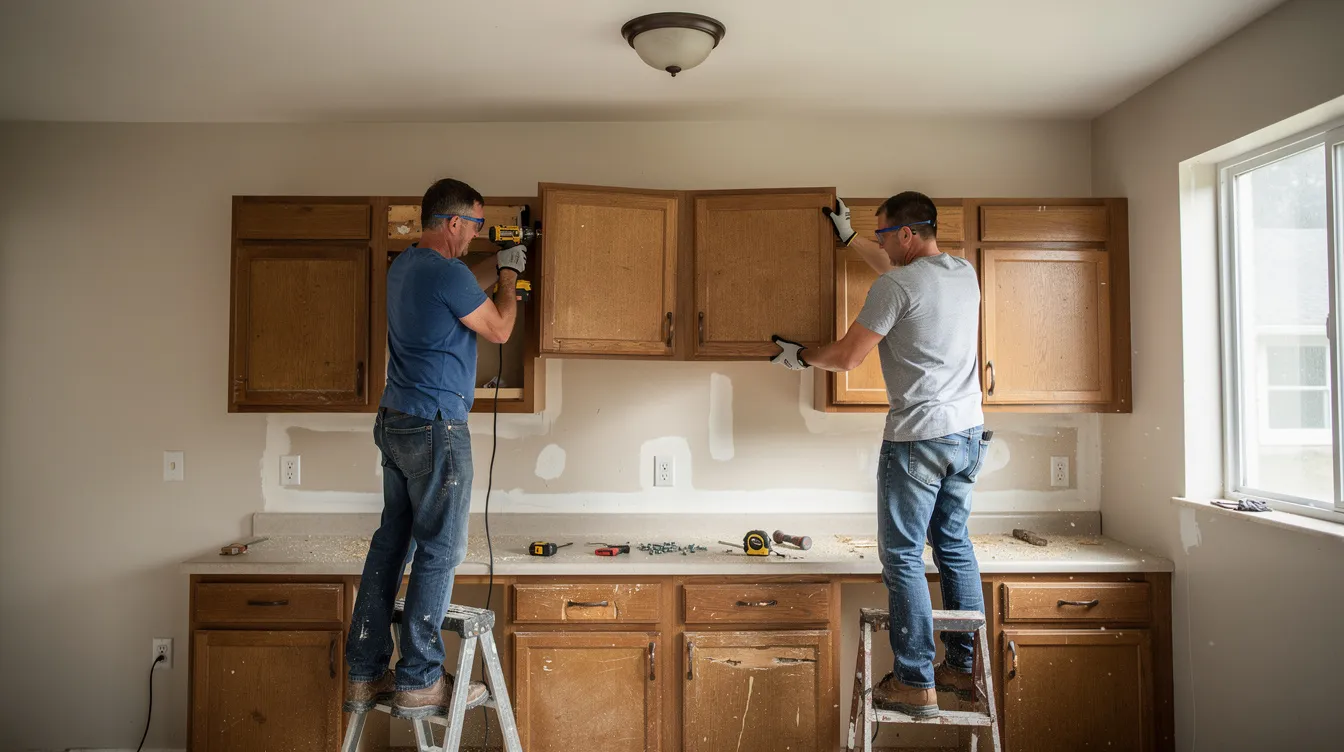
Demolition is generally quicker than installation but still impacts the overall timeline for replacing kitchen cabinets. On average, removing cabinets takes 4–6 hours for small to mid-size kitchens and 8–10 hours for larger or older kitchens. Key demolition tasks include disconnecting appliances, capping plumbing connections, removing countertops, taking down upper cabinets first followed by base cabinets, and basic cleanup.
DIY removal can take a full day or weekend, especially if you want to save or donate the old cabinets instead of smashing them. Habitat for Humanity ReStore and similar organizations accept carefully removed cabinets, but this requires more time.
Wall, Floor, and Utility Prep: 1–3 Days
This stage gets the space ready so the actual cabinet installation process goes smoothly and quickly. Skipping proper prep leads to problems during install.
Common prep tasks include:
- Repairing drywall (patching holes, smoothing old backsplash areas)
- Adjusting electrical outlets for code compliance
- Updating plumbing lines or adding shutoff valves
- Checking or leveling the floor
- Priming and applying paint to walls
Major layout changes like moving the sink or range can extend how long to replace kitchen cabinets by a week or more. These changes require multiple trades (plumber, electrician), permits, and inspections that each add waiting time.
For flooring considerations, nailed or glued floors like hardwood often go in before cabinets. Floating floors like laminate typically go in after cabinets are set. Ask both your flooring and cabinet pros which order they recommend for your specific products. If you are installing a new floor, try to finish any flooring that goes under cabinets before installation begins.
How Long Does It Take to Install New Kitchen Cabinets On-Site?
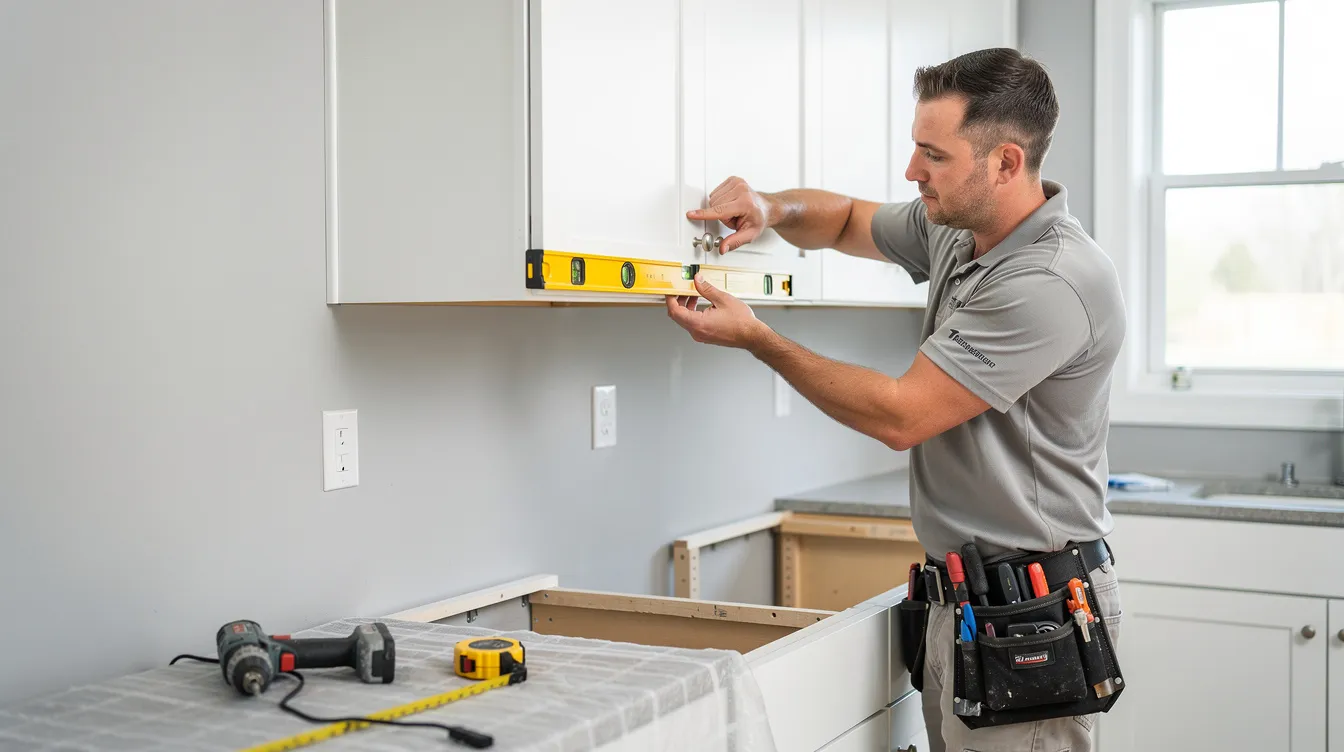
Most professional teams need about 2–3 days to install new kitchen cabinets in an average kitchen. For larger kitchens or complex layouts, plan for 4–5 days.
DIY work to replace kitchen cabinets can take 4–10 days because homeowners typically work evenings and weekends and move more slowly without professional tools and experience.
The cabinet installation process usually follows this order:
- Snap level lines and locate studs
- Install temporary ledger for upper cabinets
- Hang all the cabinets on the walls first
- Set and level base cabinets
- Install filler strips, panels, and toe kicks
- Add crown moulding or light rail trim
- Adjust doors, drawers, and hardware
The number of cabinets, corner cabinets, and specialty pieces (like pull-outs and tall pantries) all influence how long does it take to install new kitchen cabinets. Each complex element adds installation time.
If countertops are templated after cabinets are installed, expect an additional 1–3 week wait for countertop fabrication and installation. However, this does not extend cabinet installation time itself—it just affects when your kitchen is fully functional with a working sink and countertop.
DIY Installation Timeline
Many homeowners want to know how long to install kitchen cabinets if they do the work themselves. Being realistic about this timeline is important for planning.
A realistic DIY range is 2–3 full weekends or 4–10 total days of work, depending on your skills and whether you are working alone or with help.
First-time DIYers often spend extra time on:
- Laying out cabinet positions
- Finding studs and drilling pilot holes
- Shimming cabinets to level on uneven floors
- Re-drilling misaligned holes
- Correcting small mistakes
This extra work increases time to replace kitchen cabinets significantly compared to hiring professionals.
If time is more valuable than money, consider a hybrid approach: do the demolition and removal yourself to save cost, then hire professional for the cabinet installation steps. This gives you the best balance of savings and speed.
Factors That Change How Long to Replace Kitchen Cabinets
Not every kitchen follows the same schedule. Several factors can speed things up or slow them down significantly.
Key factors affecting your timeline:
Bigger kitchens with complex layouts take longer to replace kitchen cabinets. Older homes with uneven walls and floors require extra shimming. Add-ons like pull-outs and lazy Susans also extend installation time.
Professional vs DIY: Time Comparison
If you are deciding between hiring installers or doing the work yourself, timing should be a major factor in your decision.
Here is a clear comparison:
Pros are faster because they work full 8-hour days with a team of 2–3 people. They have specialized tools, cabinet lifts, high-quality levels, and years of experience. They anticipate where walls and floors are out of square and plan shims and fillers accordingly.
DIY installation can save thousands in labor cost but almost always increases how long to install kitchen cabinets. Your kitchen will be out of service longer, affecting meal preparation and daily life.
Be honest about your skill level and schedule before choosing DIY. Mistakes can require re-ordering parts or hiring a pro to fix problems, adding both time and total cost to your kitchen renovation.
Planning Your Kitchen Cabinet Replacement for Success
Replacing kitchen cabinets is a significant project that requires careful planning, patience, and realistic expectations. Understanding the typical timeline—from design and ordering to demolition, preparation, installation, and final adjustments—helps you stay on track and minimizes surprises.
Whether you choose professional installation or a DIY approach, knowing how long does it take to replace kitchen cabinets allows you to plan your schedule, budget, and temporary kitchen setup effectively. Prioritize accurate measurements, clear communication, and quality workmanship to ensure your new cabinets fit perfectly and function well.
With thoughtful preparation and expert advice, your kitchen cabinet replacement can transform your space smoothly and efficiently, bringing renewed functionality and style to the heart of your home.
FAQs
Can I use my kitchen while the cabinets are being replaced?
During the 3–7 days of demo and cabinet installation, your kitchen won’t be fully usable as appliances may be disconnected and the sink out of service. Setting up a temporary kitchenette with essentials like a mini-fridge and microwave in another room helps manage this inconvenience.
Should cabinets be replaced before or after new flooring?
For nailed or glued floors like hardwood or tile, flooring is usually installed first, then cabinets go on top. For floating floors such as laminate or vinyl, cabinets are installed first, and flooring is run up to the cabinet fronts with expansion gaps.
How far in advance should I schedule my installer?
It’s best to book installers 3–6 weeks ahead, especially during busy seasons, to secure your spot. Installers typically want a confirmed cabinet delivery date before finalizing installation schedules.
How long after cabinet installation until countertops are ready?
Countertop fabricators usually template 1–2 days after cabinets are installed and leveled. Fabrication then takes 1–3 weeks, but this does not affect the cabinet installation timeline itself.
Is there a best time of year to replace kitchen cabinets?
Cabinet replacement can be done year-round, though spring and fall are popular for moderate temperatures and ventilation. Scheduling during slower seasons or avoiding holidays can help minimize delays and disruptions.

.svg%20fill.svg)




.svg)