


.svg)
Designing a Home Addition That Fits Your Lifestyle
When considering expanding your home, having the right home addition design plans is crucial. These plans not only help visualize the new space but also ensure the addition is aligned with your existing home’s style and structure. Whether you’re adding bedrooms, a home office, or expanding living areas, smart design can enhance functionality and increase your home’s value.
A successful home addition is more than just adding square footage, it’s about creating spaces that fit your lifestyle and future needs. This guide will walk you through costs, layouts, construction tips, and financing options, helping you make informed decisions every step of the way.
.png)
Understanding Home Addition Costs
One of the first concerns for homeowners is: “How much will my home addition cost?” Understanding home addition planning and process helps explain why costs can vary so widely. Home additions cost varies widely depending on the size, materials, design complexity, and location.
Here’s a general breakdown to help you budget:
- Small additions (100–300 sq. ft.): $20,000–$50,000
- Medium additions (300–600 sq. ft.): $50,000–$120,000
- Large additions (600+ sq. ft.): $120,000 and up
Costs are typically calculated per square foot, with home addition cost per square foot ranging from $150 to $400 or more depending on complexity and finishes. Factors influencing price include:
- Structural modifications like removing walls or extending foundations
- Plumbing, electrical, and HVAC system updates
- Permits, inspections, and local building codes
- High-end finishes, custom cabinetry, and appliances
Before beginning, check local zoning laws for restrictions on lot coverage and building height, as these can affect your design and budget. We recommend setting a detailed budget early, including a 10–20% contingency for unexpected expenses to avoid financial surprises.
Planning Your Home Addition Design
A well-thought-out house addition plan starts with clear goals. Are you adding a master suite, expanding your kitchen, or creating a versatile living space? Defining your objectives helps streamline design decisions and control costs.
Key considerations when planning your home addition designs include:
- Space utilization: Ensure every square foot serves a purpose, avoiding wasted space.
- Natural light: Position windows and skylights strategically to brighten the new area, making rooms feel larger and more inviting.
- Flow: Design the addition to blend seamlessly with your existing home layout, maintaining smooth traffic patterns.
- Storage: Incorporate closets, cabinets, or built-in shelving to keep spaces organized.
- Future needs: Plan for family growth, aging-in-place features, or resale potential.
- Flexible layouts: Create adaptable spaces that can serve as guest suites, home offices, or hobby rooms.
Starting with rough sketches is helpful. Then, refine your ideas into detailed house additions floor plans using software or professional architects to avoid costly mistakes during construction.
Creating Floor Plans and Layouts
.jpg)
Developing accurate floor plans is a critical step. A thoughtful layout ensures your home addition is functional, aesthetically pleasing, and harmonizes with your existing home.
Here's our recommended process for designing home addition layouts:
- Analyze your current home layout: Understand existing room sizes, entryways, and circulation.
- Set priorities: Determine which rooms or features are most important to your family.
- Sketch multiple layouts: Experiment with room placement, flow, and window locations.
- Refine with design tools or professionals: Finalize dimensions, furniture placement, and architectural details.
Popular addition types include:
- Bump-out additions: Small extensions (50–100 sq. ft.) ideal for bathrooms or offices.
- Second-story additions: Perfect for homes with limited lot space, adding bedrooms or living areas above existing structures.
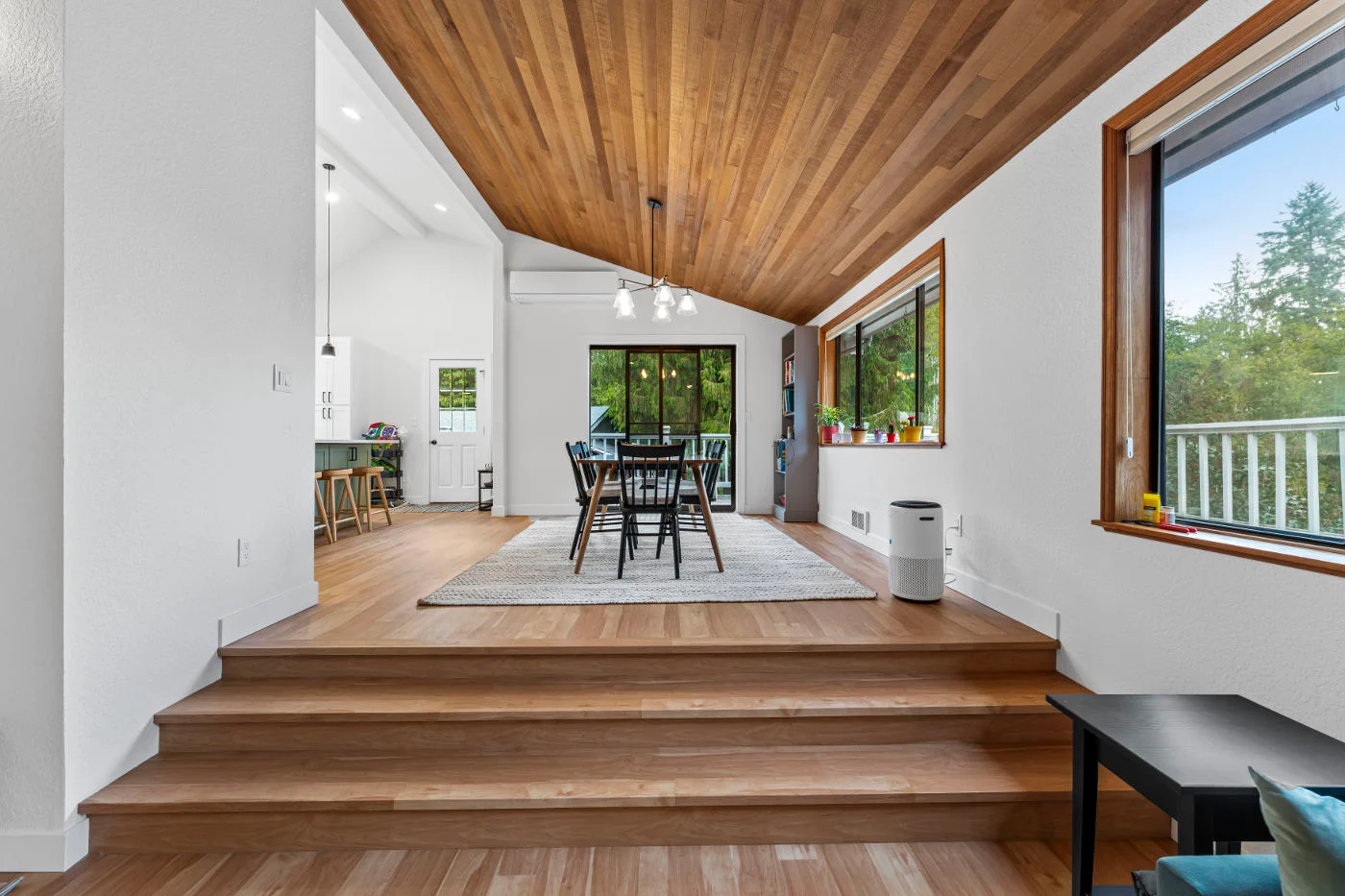
- Sun porches: Bright, airy spaces with windows on three sides, vaulted ceilings, and skylights to maximize natural light.
Consider incorporating aging-in-place features like wider doorways (minimum 36 inches) and zero-step entries to improve accessibility and long-term usability.
Blueprints and Visualization
Having detailed blueprints is essential for a successful home addition. Blueprints provide a clear, easy-to-read visual representation of your project, allowing you to view and understand every detail before construction begins. They help builders follow your vision precisely and reduce errors during the build.
Many online platforms and architects offer digital blueprints that you can search for and customize according to your needs. Access to these blueprints makes it easier to connect your ideas with practical designs, ensuring your addition fits perfectly with your existing home.
Adding Functional Spaces
.jpg)
Focus on creating functional spaces that enhance your family’s lifestyle. Whether adding bedrooms, family rooms, or home offices, prioritize comfort and usability.
Key tips include:
- Maximize natural light and ventilation for healthier, more pleasant rooms.
- Plan door and window placement to optimize traffic flow.
- Include built-in storage to reduce clutter.
- Use energy-efficient windows and appliances to save on utility costs.
- Design flexible rooms that can evolve with your family’s needs.
By tailoring your addition to your lifestyle, you’ll create a space that adds both value and enjoyment.
Sustainable and Energy-Efficient Design
Sustainability is increasingly important in home additions. Incorporating energy-efficient features reduces utility bills and environmental impact.
We suggest:
- Installing solar panels or solar-ready roofing.
- Using advanced insulation materials and energy-efficient windows.
- Selecting low-VOC paints and sustainable flooring options.
- Maximizing natural light and ventilation to reduce reliance on artificial lighting and air conditioning.
Sustainable design not only benefits the environment but also enhances your home’s market appeal and comfort.
Building Your Home Addition
With design plans finalized, construction begins. A well-planned build process minimizes delays and unexpected costs.
Key phases include:
- Permitting: Secure all necessary local approvals before starting.
- Foundation and framing: Build a stable, code-compliant structure.
- Systems integration: Extend or upgrade electrical, plumbing, and HVAC systems.
- Finishing touches: Install flooring, cabinetry, fixtures, and paint.
Decide whether to hire a professional home addition builder or undertake a DIY approach based on your project’s complexity. Professionals like Solid Kitchen & Bath ensure safety, efficiency, and compliance with building codes.
Financing Your Home Addition
Several financing options are available:
- Home equity loans or lines of credit (HELOC): Borrow against your home’s value, often with lower interest rates.
- Personal loans: Suitable for smaller projects with fixed repayment terms.
- Cash savings: Avoids interest but requires upfront funds.
- Mortgage refinancing: Combines your home loan with construction costs for streamlined payments.
Choose the option that best fits your budget, timeline, and comfort level with debt. Planning your finances early helps prevent stress during construction.
Connecting with Professionals and Resources
Working with experts ensures your addition is safe, functional, and code-compliant. Find local architects or designers online, review portfolios, and explore past house addition plans. Many professionals allow you to sign agreements digitally and communicate via email, keeping planning organized and efficient.
Clear communication is key: acknowledge messages, share ideas promptly, and agree on timelines before construction. This keeps your project continuing smoothly, minimizes misunderstandings, and helps turn your home addition design plans into a space you truly love.
Common Mistakes to Avoid When Planning an Addition
Avoid these pitfalls to ensure a smooth project:
- Overbuilding beyond neighborhood standards, which can hurt resale value.
- Skipping permits or professional consultations, risking legal issues.
- Neglecting natural light or room flow, leading to uncomfortable spaces.
- Underestimating costs or timelines, causing budget overruns.
- Ignoring storage and furniture layout, resulting in cluttered rooms.
Learning from these common errors saves time, money, and frustration.
Bringing Your Home Addition Vision to Life
Building a home addition is a rewarding way to enhance your living space and increase your home’s value. By starting with detailed home addition design plans, understanding costs, and following a structured build process, you can create a beautiful, functional space tailored to your family’s needs.
Ready to get started? Contact us today to discuss your home addition ideas and begin designing the perfect space. Our expert team here at Solid Kitchen & Bath is ready to guide you from concept to completion, ensuring your dream addition becomes a reality.
FAQs
How much does a home addition cost?
Costs vary by size, materials, and labor. Small additions may start around $20,000, while larger projects can exceed $120,000. Planning your budget early helps you avoid unexpected expenses and keeps the project on track.
What is the cost of home addition per square foot?
Typically ranges from $150 to $400 per square foot. This depends on design complexity, quality of materials, and local labor rates.
How do I design an addition to my house?
Identify your goals and priorities first. Then, sketch layouts and refine home addition plans with professionals or design software to ensure functionality and compliance.
Do I need professional plans for home addition?
Professional plans are highly recommended to ensure safety and code compliance. They also help your addition blend seamlessly with your existing home.
What are average costs of home additions?
Mid-size additions often cost between $50,000 and $120,000. Luxury or complex projects can exceed $200,000 depending on features and finishes.
How do you finance a home addition?
Common options include home equity loans, personal loans, cash savings, or mortgage refinancing. Choosing the right method depends on your budget and financial goals.
What floor plans work best for home additions?
Layouts that maximize space, natural light, and flow work best. Open-concept designs are especially popular for living areas and kitchens.

.svg%20fill.svg)




.svg)