


.svg)
Are Walk-In Tubs Good for Seniors? Here's the Honest Answer
Short answer: yes, for most seniors they are a genuinely smart investment. But let's get into why.
Standard bathtubs have a step-in height of 15 to 20 inches. For a younger, able-bodied person that's no big deal. For elderly people dealing with arthritis, reduced balance, or limited hip mobility, that wall is a real hazard. The Centers for Disease Control and Prevention (CDC) reports that bathroom falls are one of the leading causes of injury among adults 65 and older, and the bathtub is one of the most common spots where those falls happen.
Walk-in tubs for seniors were designed specifically to fix that. Instead of climbing over a high tub wall, you open a watertight door built into the side, step in with a low threshold as low as 2 inches, sit down on a built-in chair-height seat, close the door, and fill the tub. It's a completely different bathing process, and for many seniors it means the difference between bathing independently and needing help every single time.
Beyond fall prevention, walk-in tubs for elderly people also offer:
- Greater independence and dignity in daily hygiene routines
- Therapeutic features such as hydrotherapy walk-in tub jets that help manage chronic pain and joint issues
- Peace of mind for family members worried about a loved one bathing alone
- A way to stay in the home longer, reducing or delaying the need for assisted living
They are not perfect for every situation, and the cost of walk-in tub for seniors is real. But for Bothell families looking at aging-in-place solutions, a walk-in tub is one of the highest-impact bathroom upgrades available.

Walk-In Tub Safety Features That Actually Matter for Elderly Users
Not all walk-in tubs showers for elderly are built equally, and when you're shopping for an elderly person, safety features should be your first filter, not the jets or the aesthetics. Here's what to look for and why each one matters.
Low-Threshold Entry
Most walk-in tubs have a step-in height between 2 and 7 inches. That's a massive improvement over the 15 to 20 inches of a traditional tub. The lower the threshold, the safer the entry, especially for seniors with hip, knee, or balance issues.
Built-In ADA-Compliant Seating
Walk-in tubs come with a built-in chair-height seat so users never have to lower themselves all the way to the floor. This makes getting in and out far less physically demanding and reduces joint strain.
Slip-Resistant Flooring
The floor of a walk-in tub features textured floors with non-slip surfaces that hold grip even when wet and soapy. This is one of the most underrated safety features because it protects users throughout the entire bathing process, not just at entry.
Built-In Grab Bars
Strategically placed built-in grab bars give seniors something sturdy to hold onto when entering, sitting down, and standing back up. Good placement matters, so check that the grab bars are positioned to support natural movement, not just placed for show.
Anti-Scald Technology
Seniors often have reduced skin sensitivity, which means they may not feel a temperature spike quickly enough to react. Anti-scald systems cap water temperature automatically, preventing burns before they happen.
Watertight Door Seal
The door locks and seals completely before water is added. This keeps water inside the tub rather than on your bathroom floor, eliminating a major slip hazard outside the tub as well.
Fast-Drain Technology
Here's something that doesn't get enough attention. With a walk-in tub, you have to wait inside the tub while it drains before you can open the door. Without a fast-drain system, that can mean sitting in cooling water for 10 to 15 minutes. A quality fast-drain system can empty the tub in as little as two to four minutes, making a meaningful difference when you're waiting to exit.
Door Swing Options
Inward-swinging doors are more space-efficient and work well for most bathrooms. Outward-swinging doors are better for wheelchair users because they allow easier transfers. This is a detail worth thinking through before you buy.
Easy-to-Use Door Handles
For seniors with limited hand strength or dexterity, a door handle that requires a tight grip is a problem. Look for lever-style handles that are easy to operate without much hand strength.
Best Walk-In Tubs for Elderly People in Bothell
Walk-in tubs for seniors are not a one-size-fits-all product. The right walk-in tub for elderly depends on mobility needs, bathroom size, and what kind of experience the user is looking for.
Soaker Tubs
The most basic option. No jets, just a deep, comfortable soak with all the core safety features. These are the most affordable and still deliver significant safety benefits over a traditional tub.
Hydrotherapy Walk-In Tub and Air Jet Tubs
These come with hydrotherapy jets, air jets, or both. Water jets provide targeted pressure massage, great for sore muscles and joints. Air jets create a gentler, all-over bubbling effect. Many seniors with arthritis or chronic pain find these incredibly helpful for daily comfort.
Walk-In Bathtubs for Seniors with Shower
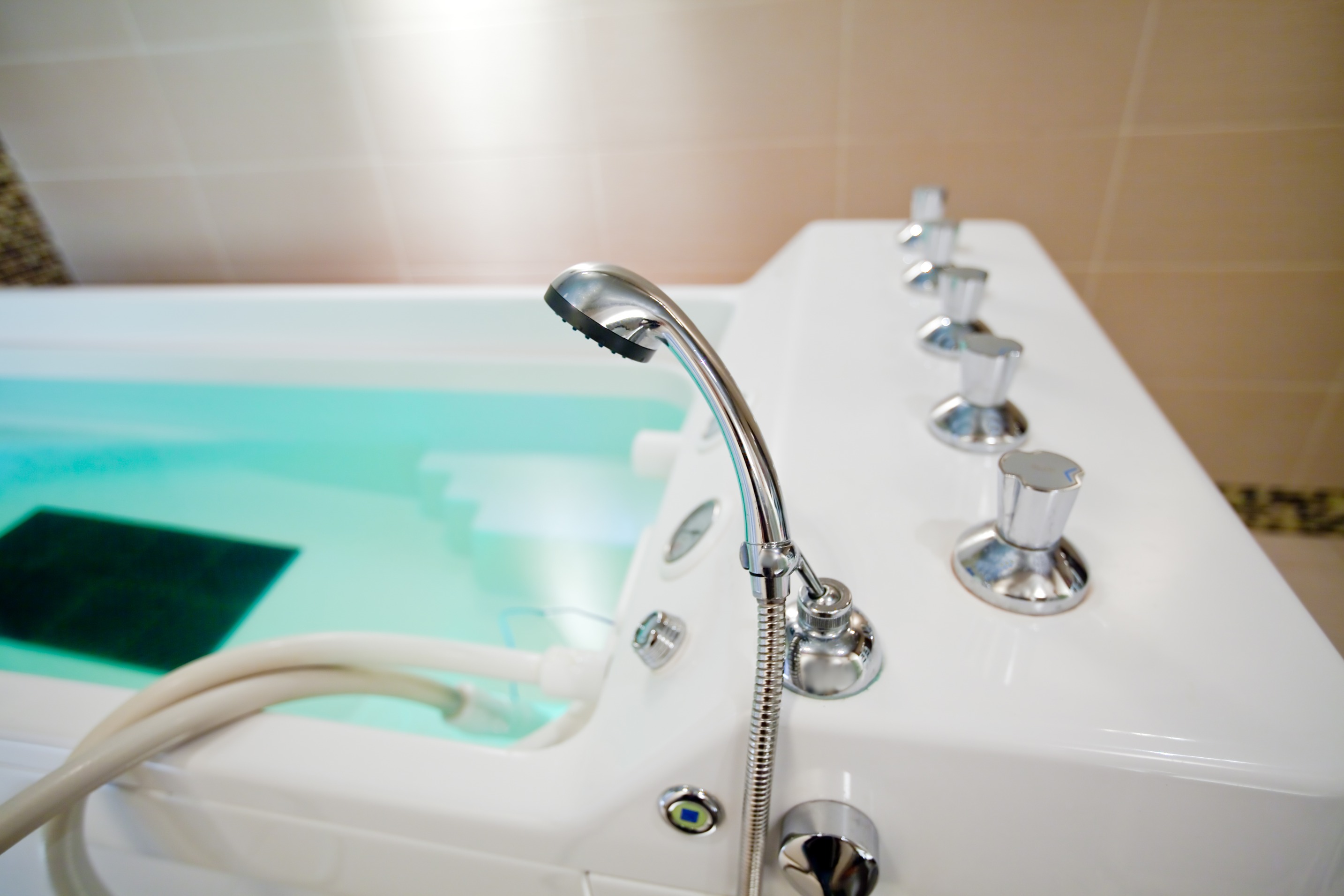
One of the most popular options right now, and for good reason. Walk-in bathtubs for seniors with a handheld shower wand give users the flexibility to take a quick shower or a full soak depending on how they feel that day. They're also practical for caregivers who may need to give a quicker bath. Most models include handheld shower wands mounted within easy reach.
Bariatric Models
Wider seats, higher weight capacities, and sturdier construction for users who need more space or support.
Two-Seat Models
Designed for couples or for situations where an assisted bath is needed. Useful for seniors who need a caregiver present during bathing.
Wheelchair-Accessible Models
These feature outward-swinging doors and transfer-height seating specifically designed to accommodate wheelchair transfers.
Hydrotherapy Benefits Worth Knowing
If you're considering a walk-in tub with hydrotherapy jets, the therapeutic benefits go beyond just relaxation. For elderly users dealing with common age-related conditions, hydrotherapy can make a real difference in daily comfort.
Here's what the research and occupational therapists consistently point to:
- Arthritis relief: Warm water combined with hydrotherapy jets helps reduce joint inflammation and stiffness, making it easier to move after a bath than before.
- Improved circulation: Hydrotherapy walk-in tub jets stimulate blood flow throughout the body, which is especially beneficial for seniors with circulation issues or diabetes.
- Muscle pain and tension: Air jets create a gentle full-body massage effect that eases sore muscles without the intensity of water jets.
- Stress and sleep: A warm therapeutic soak before bed is linked to better sleep quality, which is something many seniors struggle with.
Some higher-end walk-in tub models also include chromotherapy, which uses colored LED lighting to promote relaxation and mood. It sounds like a luxury, but for seniors dealing with depression or anxiety, it can be a meaningful add-on.
How Much Does a Walk-In Tub Cost for Seniors?
This is usually the first question and a fair one. The cost of walk-in tub for elderly people varies widely depending on the type, brand, and features you choose.
Tub Cost Breakdown
- Basic soaker tub: $2,000 to $5,000
- Mid-range with hydrotherapy jets: $5,000 to $10,000
- High-end, full-featured models: $10,000 to $15,000+
Installation Costs
Add another $1,500 to $5,000 on top of the tub price. Installation cost depends on:
- Your existing plumbing configuration
- Whether the drain location needs to be moved
- Custom fittings or modifications needed for your bathroom layout or room size
- The contractor rates in your area
What Drives the Price Up
- Number and type of jets (air, water, or combo)
- Heated seat and backrest
- Fast-drain systems
- Chromotherapy lighting
- Outward-swinging or wheelchair-accessible doors
- Brand warranty coverage
Ways to Keep Costs Down
- Ask about senior and veteran discounts, many brands offer them
- Look for seasonal promotions, especially in fall and early winter
- Some brands offer financing options, which makes a $10,000 tub manageable at a monthly payment
- Get at least two to three quotes from local installers before committing
- Prioritize must-have safety features over premium add-ons if you're on a tight budget
- Combine a walk-in tub install with a bathroom remodel under one contractor to cut your labor costs
Is a Walk-In Tub Right for Your Bothell Home?
Bothell homeowners have a few specific things to think through before pulling the trigger on a walk-in tub purchase.
First, measure your existing bathroom space carefully. Walk-in tubs are larger than traditional tubs, and if your bathroom is on the smaller side, a compact or combination model may be the better fit. The good news is that many newer walk-in tub models are designed to fit standard alcove tub spaces, making retrofits more straightforward.
Second, consider your plumbing. If your current drain location does not match the new tub's drain placement, you're looking at additional plumbing work and added cost. A local contractor can assess this before you buy, which saves you from surprises during installation.
Third, think about who will be using the tub now and potentially in the future. A Bothell home with a senior parent moving in may need a different setup than a home where someone is planning ahead for their own needs five to ten years from now.
A few other practical considerations:
- Check that doorways and hallways can accommodate delivery and installation
- Confirm the tub's seat height and weight capacity fits the user
- Ask about the installer's warranty versus the manufacturer's warranty
- Make sure the installer is licensed and experienced with walk-in tub installations specifically
Making the Right Call for Your Family
A walk-in tub for elderly users is not just a bathroom upgrade. For an elderly person who loves their independence, it is a way to keep bathing safely and comfortably without relying on others. For families in Bothell navigating the realities of aging in place, it is one of the most practical investments you can make in a home.
The best walk-in tub for elderly is the one that fits their specific mobility needs, works within the bathroom layout, and stays within a realistic budget. There is no universal right answer, but there is a right answer for your situation.
At Solid Kitchen & Bath, we help Bothell homeowners create bathrooms that are safe, functional, and genuinely beautiful. If you are ready to explore walk-in tub options that actually fit your home and your budget, we would love to take a look with you. Drop us a line and let's set up a free quote. No pressure, just honest advice from people who know Bothell bathrooms.
FAQs
What is the safest walk-in tub for elderly individuals?
The safest walk-in tubs combine a low step-in threshold of 2 to 4 inches, textured floors, built-in grab bars, anti-scald technology, and a fast-drain system. Brands like Ella's Bubbles, Kohler, and American Standard consistently rank well for safety features. That said, the safest tub is ultimately the one that fits the user's specific mobility needs and is installed correctly by a licensed professional.
Are walk-in tubs safe for seniors with severe mobility issues?
Yes, and they are often recommended specifically for seniors with significant mobility limitations. Wheelchair-accessible models with outward-swinging doors and transfer-height seating make bathing possible even for users who cannot stand independently. An occupational therapist can help assess which features are most important based on the individual's condition.
What is the lowest step-in height available in walk-in tubs?
Some walk-in tub models offer a step-in threshold as low as 2 inches. Kohler's popular models, for example, feature a 3-inch step-in height. The lower the threshold, the safer and easier the entry, which is especially important for seniors with hip or knee issues.
Can a walk-in tub be combined with a shower?
Absolutely. Walk-in bathtubs for seniors with shower are widely available and very popular. These combo units include a handheld shower wand and allow the user to choose between a quick shower and a full soak. They are a great option for households where both bathing styles are needed.
How long does it take to install a walk-in tub?
Most walk-in tub installations take one to two days for a straightforward retrofit. If plumbing modifications are needed, such as relocating a drain or upgrading water supply lines, the timeline can extend to two to three days. Getting a site assessment before scheduling installation helps avoid unexpected delays.
How much does a walk-in tub cost for seniors on a tight budget?
Entry-level soaker walk-in tubs start around $2,000 to $3,000 for the tub itself, with installation adding $1,500 or more. To keep costs manageable, focus on essential safety features rather than premium add-ons, ask about financing options, and look for senior discounts. Getting multiple quotes from local installers in the Bothell area can also help you find the best overall price.
What is the difference between air jets and water jets in walk-in tubs?
Water jets deliver targeted, pressurized streams of water that work well for deep muscle massage and joint relief. Air jets push warm air bubbles throughout the tub for a gentler, more even massage effect. Some models combine both systems. For seniors with arthritis or chronic pain, water jets tend to offer more targeted relief, while air jets are a better fit for those who prefer a softer, more relaxing experience.

.svg%20fill.svg)




.svg)