


.svg)
What Are the Types of Shower Doors?
Before diving into the comparison, it helps to know the three main types of shower doors on the market:
- Framed: Glass surrounded on all sides by a metal frame (usually aluminum). The most affordable and widely available option.
- Semi-frameless: A hybrid design with partial framing along the outer edges but an unframed door panel. It hits a sweet spot between price and aesthetics, typically running $500 to $1,550 installed. It's a solid choice if you want a cleaner look without going fully frameless.
- Frameless: Thick tempered glass held in place by minimal hardware. No bulky frame, just clean glass.
This blog focuses on the two most compared options: fully framed and fully frameless.
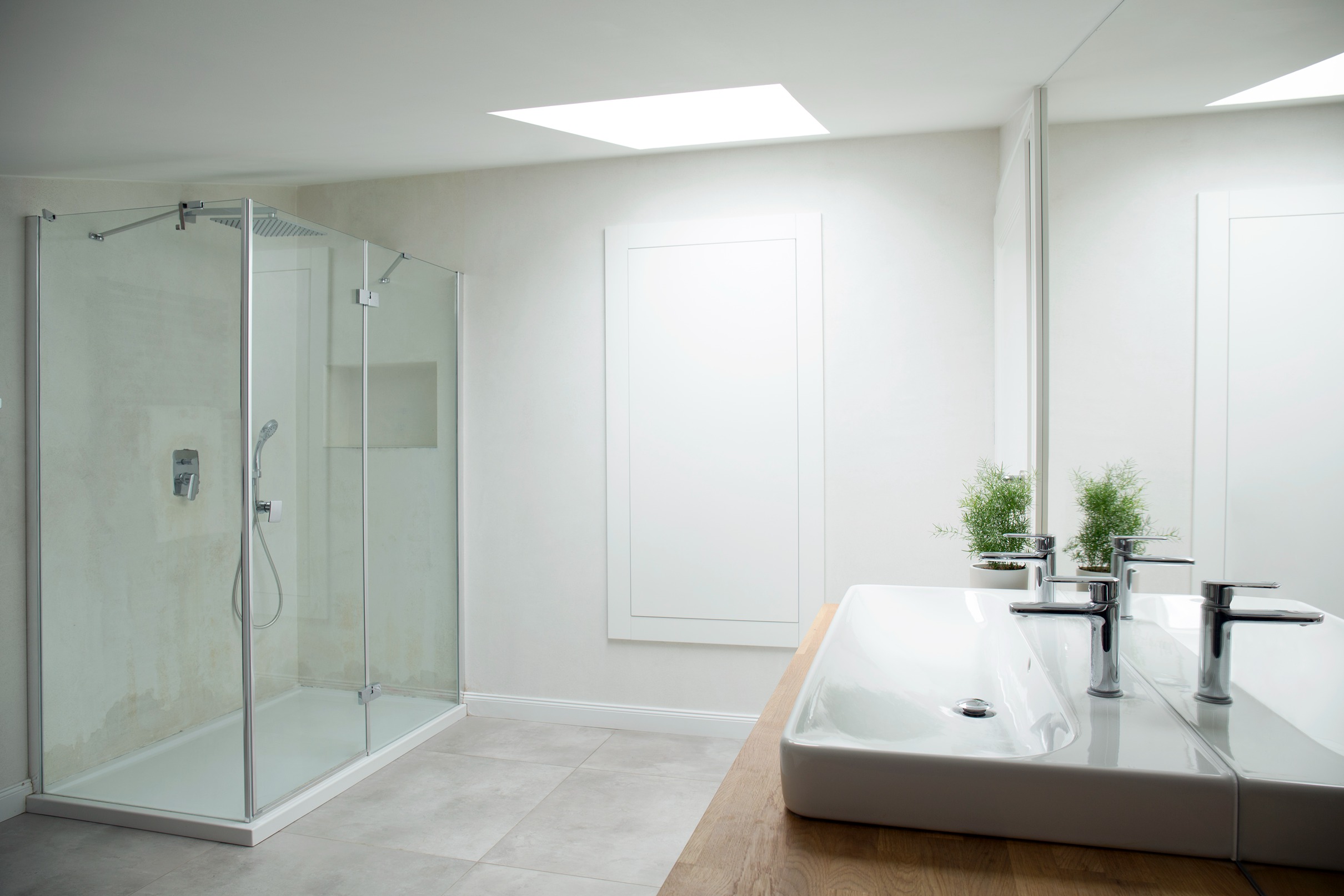
Frameless vs Framed Shower Doors: What's the Difference?
The biggest structural difference between frameless vs framed shower doors comes down to glass thickness and how the door is supported.
Framed doors use thinner glass, typically 3/16" to 1/4", because the aluminum frame does the heavy lifting. That frame wraps around every edge of the glass and keeps everything locked in place.
Frameless doors flip that around. With no frame to rely on, the glass itself has to be thick enough to stay rigid. Most frameless panels run 3/8" to 1/2" thick, which makes them noticeably heavier than framed alternatives, and full enclosures can exceed 100 lbs total, requiring more precise installation. Hardware like pivot hinges, wall-mounted clips, and support bars take the place of a surrounding frame.
In terms of looks, the difference is obvious. Framed doors have a more traditional look, offering a classic, enclosed feel. Frameless doors have that open, spa-like quality where the glass almost disappears into the bathroom space, creating clean lines and a modern appearance.
Glass Types and Hardware Finishes
Both shower door types are available in more than just plain clear glass. The glass you choose affects privacy, light, and overall feel:
- Clear frameless glass: The most popular choice. Keeps the bathroom feeling open and bright, and shows off tile work beautifully in frameless setups.
- Frosted or etched glass: Adds privacy without blocking light. A good pick for shared bathrooms or anyone who prefers a softer look.
- Textured glass (rain, ribbed, patterned): Trending upward in 2026, especially in family homes and guest baths where you want light without full visibility.
Hardware finish is the other detail that ties everything together. In Bothell bathroom remodels right now, the most popular choices are matte black for contrast and a modern edge, brushed nickel for a warmer, versatile look that works with most tile palettes, and polished chrome for a timeless, budget-friendly finish. Satin brass is also gaining ground in bathrooms with warmer tones.
Whatever you pick, match your door hardware to your faucet and fixture finishes, it makes the whole room feel intentional.
Frameless vs Framed Shower Doors Pros and Cons
Here's a straightforward look at what each option brings to the table, helping you weigh frameless shower door vs framed shower door pros and cons.
Framed Glass Shower Door
Pros:
- Lower upfront cost
- Better water containment out of the box; the frame, rubber seals, and caulk work together to prevent leaks and keep water in
- More forgiving during installation; the frame can hide minor wall imperfections, making easy installation possible
- Great structural support, solid choice for high-traffic or family bathrooms
Cons:
- Metal tracks and frame channels collect soap scum, hard water deposits, and mildew, especially in Bothell's sometimes mineral-heavy water
- Requires more frequent cleaning (roughly once a month minimum)
- Can look dated compared to modern frameless styles
- Aluminum frame is prone to corrosion over time
- Sliding doors in framed enclosures may jam or require regular maintenance
Frameless Shower Door
Pros:
- Clean, modern aesthetic, lets your tile work and bathroom design take center stage
- Fewer crevices means less buildup and easier cleaning
- Less likely to develop corrosion or mold issues
- Adds perceived value to your home, often a selling point for Bothell buyers
- Customizable for unique shower enclosures like corner enclosures or knee walls
Cons:
- Higher upfront cost
- Requires professional installation due to complicated installation process
- Seals and gaskets need occasional replacement to stay watertight and prevent leaks
- Walls must be close to plumb (typically within ¼ inch over the full height of the enclosure) as uneven surfaces can affect sealing and cause water leakage.
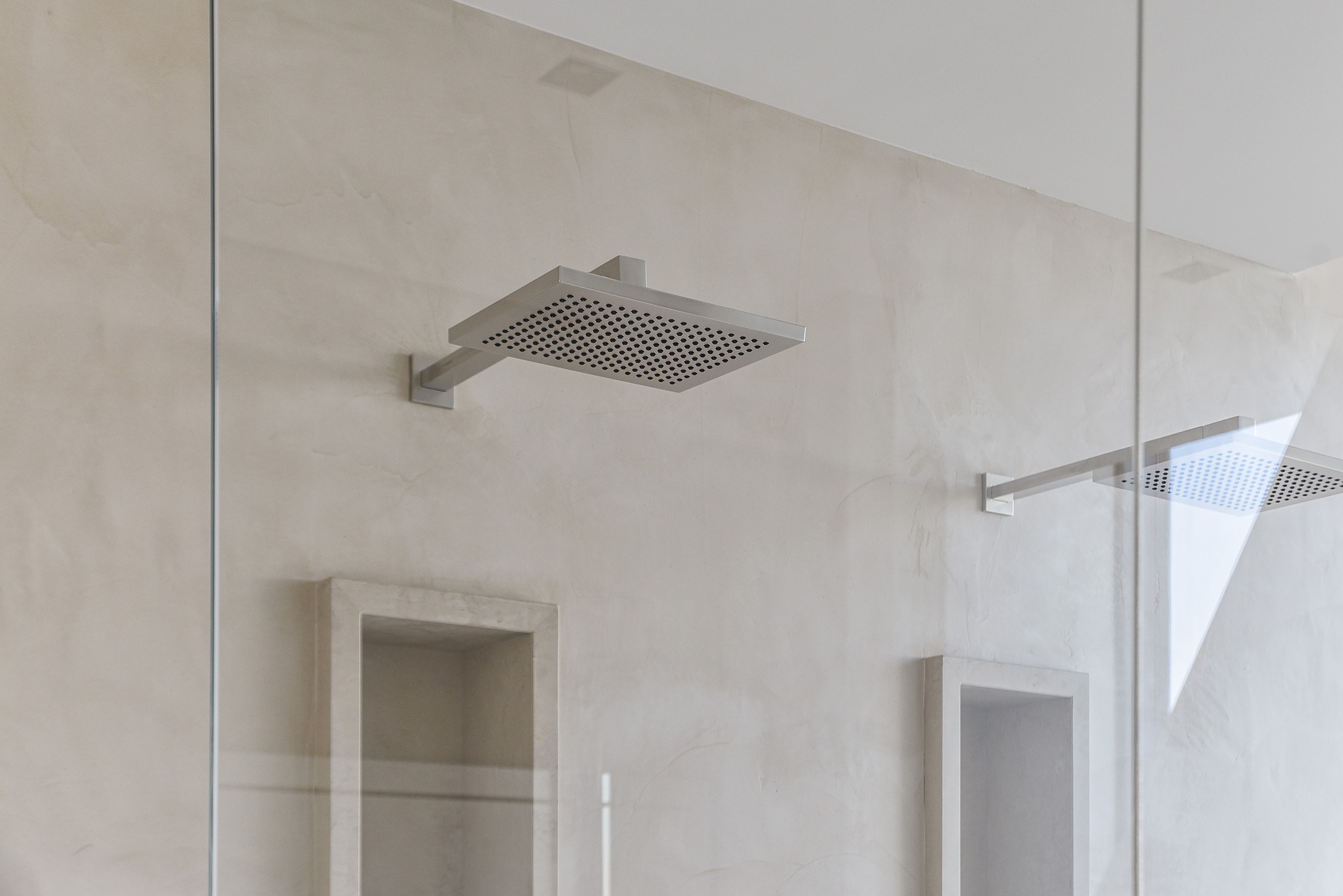
Framed vs Frameless Shower Door Cost
Cost is where these two options really split apart. Here's what you can realistically expect to pay in 2026, including verified data from multiple industry sources.
Framed Shower Doors
- Door only: $250 to $750
- Installed (door + labor): $400 to $1,100
- Labor: $150 to $550
Frameless Shower Doors
- Door only: $400 to $1,300
- Installed (door + labor): $1,000 to $2,500
- Labor: $200 to $600
- Custom or oversized enclosures: $1,800 to $3,300+
So are frameless shower doors more expensive than framed? Yes, typically 40 to 60% more, sometimes higher for custom work. That said, when you factor in durability, easier maintenance, and home resale value, many Bothell homeowners find the cost gap shrinks over time.
Keep in mind that labor rates in the Greater Seattle and Bothell area tend to run on the higher end of national averages, so it's always smart to get a local estimate before budgeting.
Installation Time and What to Expect
Framed doors typically take 1.5 to 2 hours to install. Frameless doors run 3 to 4 hours because of the precision leveling required for clips, hinges, and wall anchors.
Both types benefit from professional installation. Frameless doors in particular need exact measurements to seal properly and handle the weight of thick glass safely. A rushed or off-level install is the leading cause of frameless door leaks, not the door itself.
Durability and Maintenance: Which One Lasts Longer?
Both framed and frameless shower doors can last 20 to 30 years when properly maintained. But how they age is very different.
Framed doors hold up well structurally, but the aluminum frame is the weak point. In areas with hard water, which some parts of Bothell deal with, mineral deposits build up noticeably faster inside tracks and frame channels compared to frameless setups, where there are no channels for buildup to accumulate. Over years of use, that buildup leads to staining, corrosion, and eventually, the frame deteriorating faster than the glass itself.
Frameless doors are easier to wipe down since there are no tracks or hidden channels for grime to settle into. The main maintenance task is checking the rubber gaskets and silicone seals every year or two. When those wear out, they're inexpensive to replace and easy to spot before any water damage happens. Many frameless door manufacturers also offer protective glass coatings that resist water spots and mineral staining, worth considering if you have hard water at home.
Which Is Better: Framed or Frameless Shower Doors?
Honestly, the right answer depends on your bathroom, your budget, and how you use the space.
Go with framed if:
- You're renovating a secondary bathroom, guest bath, or rental
- Budget is a priority and you want reliable performance without a premium price
- Your walls are a bit out of square and you want a more forgiving install
- You prefer a traditional look that still functions well
Go with frameless if:
- You're upgrading a master bathroom or doing a full remodel
- You want that modern, open feel and plan to showcase your tile and bathroom design
- You're thinking about resale value; frameless is now the standard in updated Bothell homes hitting the market
- Low maintenance matters to you long-term
For Bothell homeowners doing a full kitchen and bath renovation, frameless tends to be the move. It photographs better, shows better, and buyers have come to expect it in homes at the mid-to-upper price range in the area. Bathroom remodels also tend to recover 70 to 80% of their cost in home value, and a frameless shower door is one of the details that moves the needle for buyers walking through.
Ready to Upgrade Your Bothell Shower?
When it comes to frameless vs framed shower doors, there's no universally right answer, but there is a right answer for your home. Framed doors give you solid performance and savings upfront. Frameless doors give you better aesthetics, lower maintenance, and a stronger return over time.
The best next step is talking to someone who knows your specific bathroom layout, your local market, and what's actually going to hold up in the long run. The team at Solid Kitchen & Bath has been helping Bothell homeowners navigate exactly these decisions. If you're ready to stop weighing options and start building, reach out for a free estimate. We'll take a look at your space and tell you straight which direction makes the most sense for your goals and your budget.
FAQs
Do frameless shower doors leak more than framed?
Not when installed correctly. Frameless doors manage water through precise seals, gasket placement, and proper showerhead positioning. The "frameless doors always leak" myth usually comes from poor installation, not the door itself. A properly installed frameless door is just as watertight as a framed one.
Are frameless shower doors more expensive than framed?
Yes. Frameless doors typically cost 40 to 60% more than framed options when comparing total installed price. Framed doors run $400 to $1,100 installed; frameless runs $1,000 to $2,500 and up for custom configurations. The difference is driven by thicker glass, more precise hardware, and longer installation time.
What are the types of shower doors available?
There are three main types of shower doors: framed, semi-frameless, and frameless. Framed doors have a full metal frame around the glass, semi-frameless combine partial framing with frameless glass panels, and frameless doors use thick glass with minimal hardware for a sleek, modern appearance.
Can I replace a framed shower door with a frameless enclosure?
In most cases, yes. However, frameless doors require precise measurements, plumb walls, and professional shower door installation to ensure proper sealing and prevent water leakage. An experienced installer can assess your bathroom space and recommend the best option.
Which shower door is easier to clean?
Frameless doors win here. Without metal tracks, frame channels, or rubber seals lining every edge, there are far fewer places for soap scum and mineral deposits to accumulate. A quick squeegee after each shower keeps most frameless doors looking clean with minimal effort.
Which shower door is better for a small bathroom?
Frameless doors make a small shower feel bigger. No frame means nothing visually cutting up the space. That said, if swing clearance is tight, a sliding framed door is the more practical call.
What is the maintenance difference between framed and frameless shower doors?
Framed doors require regular cleaning of the aluminum frame to prevent soap scum and mildew buildup, typically once a month. Frameless doors offer easier maintenance with fewer crevices, but seals and gaskets should be checked and replaced as needed to maintain watertightness.
Does a frameless shower door increase home resale value?
It can. Bathroom remodels recover 70 to 80% of their cost in home value, and Bothell buyers increasingly expect frameless in updated master baths. If you're selling in the next few years, it's one of the smarter pre-listing upgrades you can make.

.svg%20fill.svg)




.svg)