


.svg)
Understanding the Factors Behind Custom Home Construction Costs
Custom home construction cost varies based on location, design, and quality. Two homes of the same size can differ by hundreds of thousands depending on site conditions, complexity, and finishes.
This guide breaks down what drives building a custom home cost, where budgets jump unexpectedly, and how to plan a realistic budget that is tailored to your needs.
Typical Custom Home Construction Cost Range
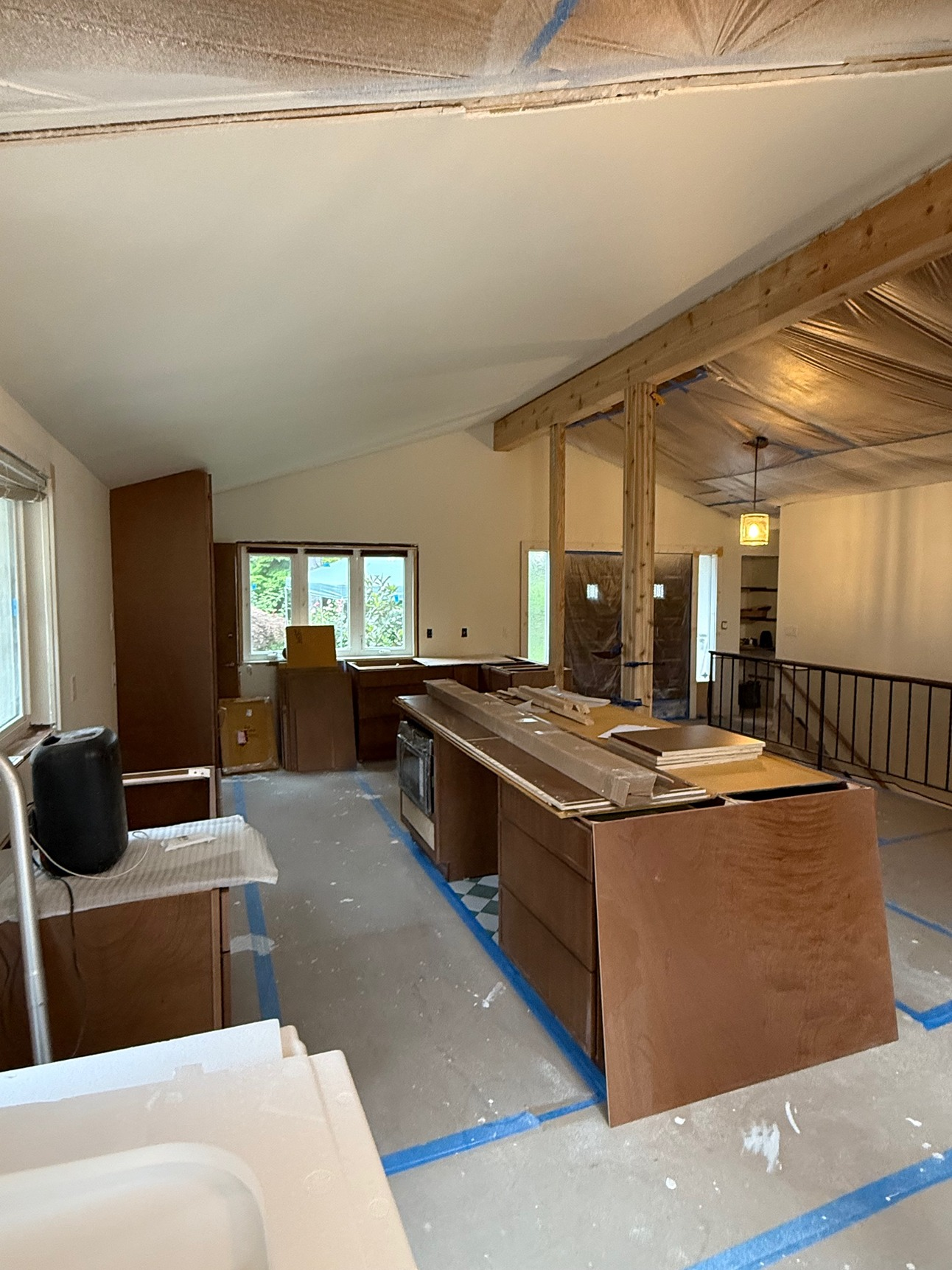
Most custom homes in the U.S. range from mid-six figures for modest homes in lower-cost regions up to $1M or more in high-cost metros. The national average for construction alone is around $323,000 to $350,000, but varies widely. This figure reflects mid-sized homes with moderate finishes and excludes land, design, and site-specific factors.
Since 2020, costs have increased due to labor shortages, supply chain disruptions, and rising material prices. Here are some of the realistic scenarios you should take note of:
- A 2,000 sq ft home with basic finishes in the Midwest might cost from $300,000 to $400,000
- The same size with mid-range finishes in the Pacific Northwest could run from $500,000 to $700,000
- A 3,500 sq ft luxury-finished home in a high-demand metro often exceeds $1M before land cost
- Adding a basement, complex rooflines, or hillside site work can add from $50,000 to $150,000 or more
We encourage treating early estimates as planning tools; actual quotes come after design and site evaluation.
Biggest Factors That Affect Pricing
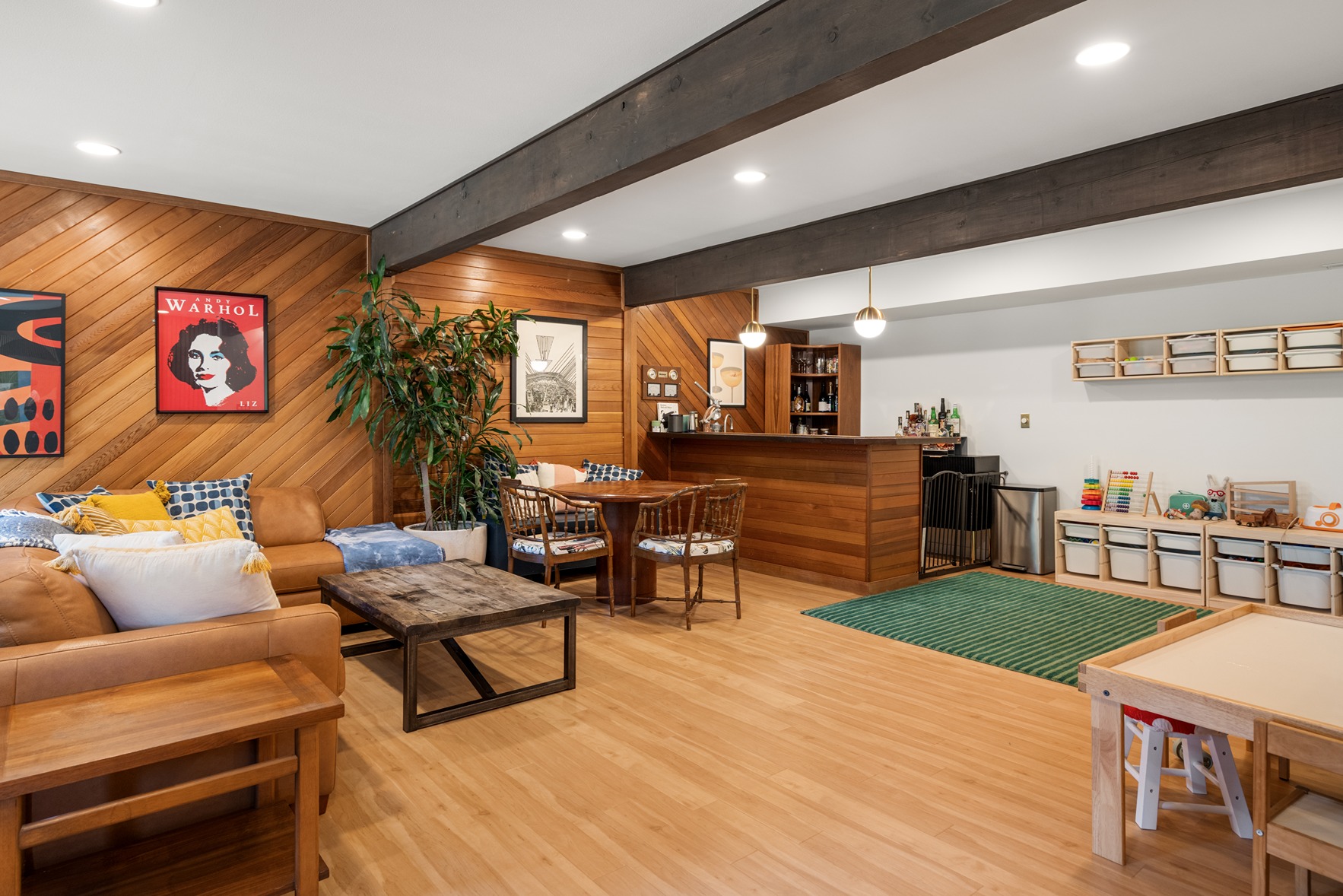
Four main factors explain most cost differences: size, site conditions, design complexity, finish level, and labor availability.
- Size: More square footage increases foundation, framing, roofing, and mechanical costs. Larger homes may have slightly lower custom home construction cost per square foot due to fixed costs spreading out.
- Site conditions: Difficult terrain, rocky soil, or remote access can add tens of thousands to site prep and foundation work. Rural sites may require wells and septic systems which may add $15,000-$45,000.
- Design complexity: Extra corners, curves, tall walls, large glass areas, and unique rooflines increase framing labor and material waste. Simple rectangular designs cost less.
- Materials and finishes: The jump from builder-grade to luxury finishes can add over $100,000 on similar-sized homes. Kitchens, bathrooms, and exterior cladding are especially sensitive to choices.
- Labor availability: In tight markets, skilled labor can be scarce which can increase costs and extend timelines. Labor typically accounts for 30-50% of construction costs.
When Costs Increase the Most
Even with careful planning, certain phases of building a custom home can see budget jumps. Knowing these common triggers can help avoid surprises:
- Design expansions: Enlarging the footprint, adding a basement ($20,000-$80,000), or complex geometry increases costs before construction.
- Finish upgrades: Switching to premium windows, flooring, cabinetry, or stone counters adds large lump sums late in planning.
- Site surprises: Unexpected rock, poor soils, or drainage requirements can spike budgets by $20,000-$50,000.
- Change orders: Layout or material changes after construction starts cost more due to labor, waste, and delays.
- Timeline extensions: Delays increase overhead, loan interest, rental, and storage costs.
What Custom Home Building Cost Includes
Construction cost covers the full building process from design to move-in:
- Design fees: Architects, engineers, and interior designers may charge 5-15% of construction cost or flat fees. Custom plans with engineering can add $50,000-$100,000.
- Site prep and permits: Includes permits, impact fees, surveys, soil reports, grading, excavation, and temporary access. National averages around $32,000, more for complex sites.
- Materials and labor: Foundation, framing, roofing, exterior cladding, insulation, drywall, flooring, cabinetry, doors, and trim plus skilled trades. Framing averages $49,000.
- Utilities and systems: HVAC (air conditioning included), plumbing, electrical, septic/sewer, water, gas, and infrastructure upgrades. Typically around $80,000 combined.
- Finishes and fixtures: Countertops, tile, plumbing and lighting fixtures, hardware, paint, and built-ins. Interior finishes average $95,000 nationally.
- Transparency: We recommend working with builders who itemize costs so you can adjust scope and avoid surprises.
Average Cost to Build a Custom Home
Nationally, costs range from $100 to $500 per square foot, with most between $150 and $350 depending on location and finishes. If you’re asking how much does it cost to build a custom home, these averages provide a starting point—but site-specific factors and finish choices will shift your total budget.
Land cost is usually separate. The median total project cost including land is about $665,000 but varies widely.
Examples:
- Two 2,800 sq ft homes with different finishes can differ by $150,000-$250,000.
- Regional labor rates and codes affect base costs beyond homeowner control.
For homeowners, this means that only site-specific designs and detailed scopes can provide realistic estimates for planning and financing.
Key Cost Drivers
These core factors influence how quickly costs rise and where your budget is most sensitive.
- Size and layout: Square footage drives foundation, framing, and roof costs. Efficient layouts maximize value per sq ft.
- Location and site: Hillsides, floodplains, or urban infill require complex foundations or drainage, adding $30,000-$100,000+.
- Materials and finishes: Exterior materials impact initial and maintenance costs; interior quality moves projects from basic to luxury pricing.
- Labor: Skilled trades in hot markets command higher rates and longer timelines.
- Design complexity: High ceilings, large unsupported spans, expansive windows, and specialty rooms increase materials and labor.
Custom vs. Other Home Options
Custom built house cost more but offer personalization that production and semi-custom homes lack.
- Production homes: Standardized plans and materials keep costs 20-40% lower but limit customization.
- Semi-custom: Middle ground with some plan and finish choices but less design freedom.
- Custom homes: Require more design and engineering upfront ($50,000-$100,000), but fit unique sites and preferences.
- Site flexibility: Custom builds suit unique lots; production homes sit on pre-engineered subdivisions.
- Complete control: Custom homes let you choose layout, materials, and features, justifying higher costs for many.
Finish Level Impact
Finish level often affects budget more than size once home size is set.
- Basic ($150-$200/sq ft): Standard cabinets, laminate or entry-level flooring, stock tile, simple trim.
- Mid-range ($200-$280/sq ft): Quartz counters, upgraded cabinetry, mixed hard surfaces, better windows and lighting.
- Luxury ($280-$450+/sq ft): Custom cabinetry, stone counters, designer fixtures, hardwood floors, architectural details.
Many owners mix levels to balance cost.
Hidden Costs to Watch
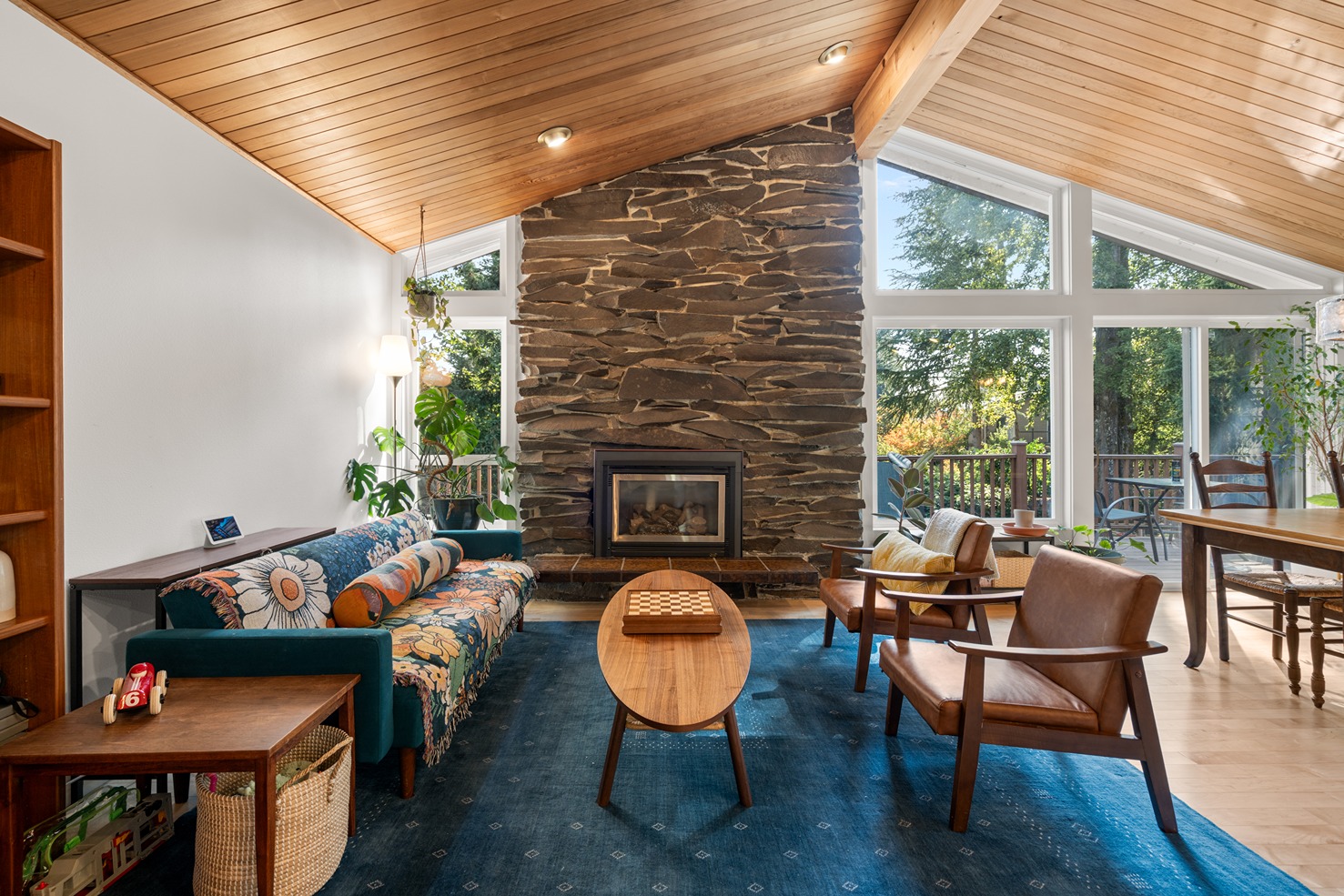
Even well-planned projects can run over budget when certain costs are overlooked early in the process.
- Design revisions: Multiple plan changes increase fees and delay pre-construction.
- Utility upgrades: Extending water, sewer, or electrical lines and septic upgrades can add $15,000-$45,000.
- Landscaping and outdoor living: Driveways, patios, fencing, and irrigation can add $30,000-$100,000+.
- Change orders: Mid-project changes cost 15-25% more than during design.
- Delays: Weather and supply issues increase carrying costs.
- Contingency: We advise setting aside 10-15% of budget for surprises.
Planning a Realistic Budget
A realistic budget balances priorities, flexibility, and early decision-making to prevent costly surprises later.
- Set priorities: Define must-haves and nice-to-haves to guide tradeoffs.
- Add contingency: Protect against unknowns with 10-15% buffer.
- Engage builders early: We recommend aligning design with budget and identifying costly choices upfront.
- Consider phasing: Plan future additions to stay within initial budget.
- Document selections: Track choices to avoid scope creep.
When to Talk to a Builder
Early discussions with your builder can save you from costly redesigns and unnecessary fees. Providing key information upfront such as your desired home size, architectural style, location, finish level, and any special requirements enables your builder to offer meaningful guidance and more accurate estimates.
As your plans develop and details become clearer, initial ballpark estimates will evolve into fixed-price quotes, giving you greater confidence in your budget. It’s also important to ask about what is included and excluded in these estimates to ensure a clear understanding of the scope and avoid surprises later in the construction process.
Proactive communication and thorough planning at this stage set the foundation for a smoother home construction project and help you manage your custom home construction cost effectively.
Final Thoughts: Smart Choices Keep Construction Costs Manageable
At Solid Kitchen and Bath, we understand that custom home construction cost depends on size, site, design, finishes, and local market conditions. That's why no calculator replaces a detailed site-specific estimate.
We prioritize transparent communication and realistic timelines to reduce surprises and stress. Building a custom home is a significant investment and personal journey.
Ready to work with us? Contact us today! Our goal is to help you create the dream home you deserve while managing costs clearly and confidently.
FAQs
How long does it take to build a custom home?
The typical timeline for building a custom home is 12-24 months, including design, permitting, and construction. Design and permits usually take 3-6 months, with construction lasting 8-14 months, though delays can extend this.
Can I control costs after construction starts?
The best way to control costs is by finalizing plans and selections before construction begins. Minimizing change orders during construction helps avoid additional expenses.
Is building custom more expensive than buying existing?
Building a custom home generally costs more upfront than buying an existing home. However, it provides tailored layouts, improved energy efficiency, and often lower long-term maintenance.
What is the most expensive part?
The foundation, framing, roofing, and major mechanical systems typically represent the largest base costs. Additionally, high-end kitchens and bathrooms can significantly increase the budget.
How do site conditions affect cost?
Challenging terrain, poor soil quality, and difficult site access can increase costs for excavation, foundation work, and utility connections. These factors often add tens of thousands to the overall cost.
What hidden costs should I expect?
Hidden costs can include design revisions, utility upgrades, landscaping, permits, change orders, and project delays. Setting aside a contingency fund helps manage these unexpected expenses.

.svg%20fill.svg)




.svg)